Garden.True.North
  • Blog
  • Classes
  • Picture Gallery
  • Contact

​Garden Stories

​​Garden.True.North is about gardening in Zone 4,

​sharing thoughts, ideas and tips for all northern gardeners.

From Fresh to Dry Bouquet

10/2/2025

0 Comments


I originally posted this in 2018 and have since learned this is a reliable method for drying hydrangeas. There are folks that have a dining room table full of hydrangeas this time of year "drying" for their winter arrangements. The picture above left is a fresh flower arrangement that I put together on October 1 in 2018.  The one on the right is what I had left from that arrangement after a few weeks. What do they have in common?  

Answer:  The blooms from the Hydrangea paniculata 'Limelight'.  I hit that magical time when I cut the flowers, they dried in the vase and have been showing their colors for the last six weeks.  Yes, these are they same stems in both pictures.  I could take credit for knowing the perfect timing for this, but I would be lying.  
I have since discovered that I blundered that year into a legitimate drying technique.  The trick is to cut the blooms just as they start to change color and feel a little papery.  Cut the stems at an angle, strip the leaves and put them in water at about half the length of the stems. Then let the water evaporate and, viola, the hydrangea has dried and retained much of the colors.  
Hydrangea Limelight is a hardy shrub. The planting tag claims it should be planted in full sun, but I have it in part shade and it does quite well. The blooms start light green, go to a cream, then start to go back to a green with burgundy hues. The blooms left on the shrub will turn brown and last until spring. I leave all my hydrangea standing through the winter as I think they add some interest to the garden.  

0 Comments

Photos in the Garden

4/30/2025

0 Comments

 
As I was locating photos for a project, it occurred to me that I have very few photos of me in the garden. My resolution this year is to take photos of everyday activities that are meaningful.

I have thousands of garden photos but the only photos with me in my own garden is with a fork digging garlic and of my hand with a pruner. Those certainly do not reflect the joys of gardening. The same is true for my crafting projects, just the item with no person in the frame. It’s as if these things materialize out of thin air. This must stop; I deserve to be recognized along with my creations.

I suggest placing yourself and your loved ones in the midst of your gardens. Show the joys by getting down where the flowers and vegetables grow.  Lean up against your favorite tree. Walk down that garden path.

Need some ideas? I did an internet search with “photos of yourself in garden” and back came hundreds of ideas. I wrote a blog about the uses for garden photos a few years ago: 3 Uses for Garden Photos  But it never occurred to me that photos should be more than practical when I wrote that article. 

​I suggest here that you forget about the practical and go for the memories with you and those you care about also in the frame. You’ll thank yourself on those cold winter days in the future when looking through your photo collection. 
0 Comments

​Real Jardin Botanico de Madrid

4/19/2025

0 Comments

 
When in a new location I like to search for a garden that will provide some respite from my travels. Earlier this month my husband and I traveled to Spain and Portugal, our first visit to those countries. We especially enjoyed the food and wine while touring Madrid, Lisbon, and the Duoro Valley. While in Madrid we paid a visit to the Royal Botanical Garden.
The garden was founded in 1755 with over 2,000 plants, collected by José Quer, a botanist and surgeon, during his numerous trips and through exchange with other European botanists. Now, 270 years later, it includes about 90,000 plants and flowers, and 1,500 trees. The collection is arranged by botanical name and includes plants from former colonies and neighbors of Spain. That’s a lot of places in the world.
I had fun looking at plants out their normal environment, guessing the common name that is more familiar to us. It also struck me that many of the plants were the wrong plant in the wrong place. For example, our familiar spruce trees were visibly struggling in Madrid’s Mediterranean climate. It was also interesting to see plants we consider annuals and struggle here, due to our climate, flourishing in their native locale.
And as gardeners, we speak the language no matter where we visit. Botanical Latin is still the only language other than English accepted for descriptions. 
0 Comments

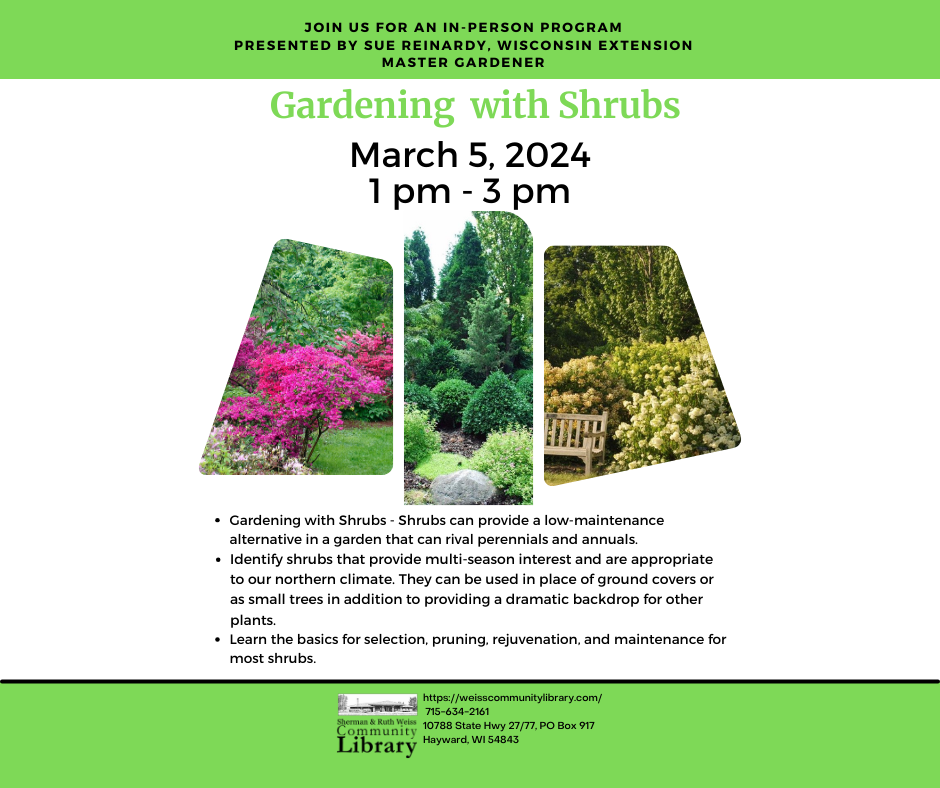
Garden Programs at Hayward Library

3/18/2025

0 Comments

 
Picture
0 Comments

Garden Programs with Cable Natural History Museum in 2025

12/30/2024

0 Comments

 
Picture
Both of these programs require advanced registration at the Cable Natural History Museum website.  
  • Becoming a Natural Gardener
    ​Thursday, January 23, 2025@1:00-2:00 PM 
    ​
    A natural garden isn’t complete without native plants. Join Master Gardener Sue Reinardy to learn about the trees, shrubs, and flowers who provide important shelter and food for beneficial insects, birds, wildlife year-round. We’ll also talk about the timing of seasonal events. By using your phenological observations, you can predict the best time for planting, the blooming cycles of plants, and the emergence of insect pests. Join us from 1-2 p.m. at the Cable Natural History Museum, or on Zoom! This program will be streamed live and recorded. To attend in person or receive the Zoom link, and receive a link to the recorded program, register by January 21. $5 member/$10 non-member. 
  • ​Science at the Sawmill: Helpful Insects and Pollinators 
    Tuesday, February 11, 2025@6:30-7:30 PM   
    ​
    Join Master Gardener Sue Reinardy to learn how, what, when, and where to cultivate native plants that provide food for butterflies, songbirds, hummingbirds, and beneficial insects. There are many plants for your garden that are not only beautiful but also provide food for wildlife and insects. Join us at 6:30 p.m. at the Sawmill Saloon. Arrive early to enjoy dinner and drinks! Register by February 10 . $5 member/$10 non-member.
0 Comments

Fall Checklist

9/16/2024

0 Comments

 
Picture
Planting
  • Container Tips:  Accessorize with twigs or sculpture; Edit throughout the season replacing spent summer blooms with fall decor; store in a dry location
  • Planting Perennials, Shrubs, Trees:  Best to plant in spring, Plant at least 6 weeks before ground freezes to give them a chance to establish roots, Water well until ground freezes, Do not fertilize
  • Bulbs: When and Where to Plant:  When temps are consistently cool (55 degrees) and until ground freezes, Most bulbs prefer moist, well-drained soil in growing season and drier soil when dormant, Remove all debris and/or cover area to discourage squirrels
  • ​Garlic:  Plant in October when soil temp is >50⁰; Select largest bulbs and plant each clove about 6-8” apart; Cover with mulch for winter protection and leave on in spring/summer for weed barrier
Storing
  • Early September
    1. Begin collecting cuttings & seeds
    2. Bring houseplants inside (when night temps get into the 40’s), Acclimate to indoors by moving to a shady spot, reducing water, no fertilizer, wash before bringing inside
    3. Stop using fertilizer except for containers
  • Seeds    Seed-longevity chart at www.fedcoseeds.com/seeds/seed_saving.htm
  • Dry Corms & Bulb Storage  (Gladiolus)  Dig after first frost and after foliage dies, brush off soil and trim off all foliage; Let dry for 2-3 weeks; Place in a paper bag or onion sack and hang in dark, dry place
  • Tuber Storage (Dahlia, Canna, Caladium, Calla Lily, Elephant Ear, Tara)   Dig up after first frost, trim so just the tuber is left; Allow plants to cure to one to two days in warm, dry place; Place in a damp (not wet) peat moss, inside a storage container that will exclude light and place in cool, dark place.
  • Tools  Keep them sharp; Store them dry; Keep them clean; drain hoses

Clean-up & Maintenance
  • Vegetables and Annuals
    • Prune vines of squash, melons, cucumbers and tomatoes 3-4 weeks before first frost so existing fruit ripens faster
    • Clean up annuals and compost or if diseased dispose
  • Perennials
    Don’t deadhead for self-seeders you want or for winter interest (studies show that perennials do better through the winter if left standing), Pinch off faded blooms for plants you want to avoid self-seeding
    Resource:  The Well-Tended Perennial Garden, Tracy DiSabato-Aust
  • Fall Lawn Care
  1. Mow 3 ½ to 4 inches, longer grass shades roots reducing water loss and outcompete annual weeds, in the fall mow shorter to 1 inch to avoid snow mold, diseases
  2. Let clipping fall to recycle nutrients, they do not lead to thatch problems
  3. Remove or mow to mulch leaves in the fall
  4. Fertilize:
    1. Low quality – mid-fall
    2. Medium quality – late May, early Sept
    3. High quality – late May, early July, early Sept (can skip July if using a mulching mower)
  • Shrub & Tree Maintenance
    1. Spring – Prune non-flowering shrubs including Pine & Spruce
    2. Summer – Prune spring flowering shrubs after flowers have faded
    3. Late Winter – Prune dormant trees and summer-flowering shrubs

  • Winter Protection
    Once the ground has frozen, protection for tender plants can be applied. The protection is intended to prevent plants from responding to warm weather too early.  Cover with mulched leaves, compost, cut evergreen branches or other organic material.

0 Comments

Forcing

9/1/2024

0 Comments

 
​Late summer is the ideal time to plan for your early spring forcing.  Most of us are familiar with forcing springs bulbs such as paper whites, tulips, and daffodils.  But what about forcing rhubarb, foam flower, and forsythia?   Enjoy the joys of gardening before the snow melts next March…or April…or May!
​ Spring Bulbs    Most spring bulbs need a 12-15 week chilling period.  Try dwarf species or hybrids for the best results.  I plant mine in potting soil in nursery pots and put them in the vegetable crisper and covered with plastic to keep in the moisture.  Be sure to label with the date and species.  Paper whites are the exception needing no chilling period.  I keep those bulbs in the fridge unpotted.   When you are ready for some blooms, bring them out.  You can repot in an attractive container and water.  Don’t water again until growth begins.  I water with 7 parts water and 1 part alcohol (I use an old bottle of vodka) to keep them from flopping. 
 Rhubarb   You can freeze stems for use during the fall and winter.  But if you forgot and need to divide your rhubarb now is an excellent time to not only divide but get rhubarb next spring weeks before it is ready in the garden.    According to Rhubarb-Central.Com ( http://www.rhubarb-central.com/forcing-rhubarb.html)   “the cultivation methods for forcing rhubarb was developed as early as the 1800's. Commercial growers of rhubarb use special forcing sheds, or hot houses, but the home gardener can successfully force rhubarb in a home cellar, a garage, or another outbuilding.  Forcing rhubarb can also be done outdoors, in the garden.”  The process is a bit involved and I recommend that you do some research before proceeding. 
​Perennials   According to Tovah Martin in The Unexpected Houseplant,  “Foam flowers (Tiarella cordifolia)   are disarmingly easy to grow indoors.  They often blossom a month or more before their leaves begin to emerge outside and they stay in bloom for a long duration of fulfillment.”  Now is the time to dig up and pot some to bring indoors.  They like indirect light and just enough moisture so they don’t dry out.    Other perennials that make good winter houseplants are Coral Bells (Heuchera) and Sea thrift (Armeria maritime).   If you plan to travel south this winter, plan to stop at a nursery on your way home and pick up a perennial that you can enjoy in the house early and then plant in the garden later.  Try Bleeding heart (Dicentra Spectablis), and Lenten Rose (Helleborus) for a good-looking plant that blooms and makes a fine temporary houseplant.  
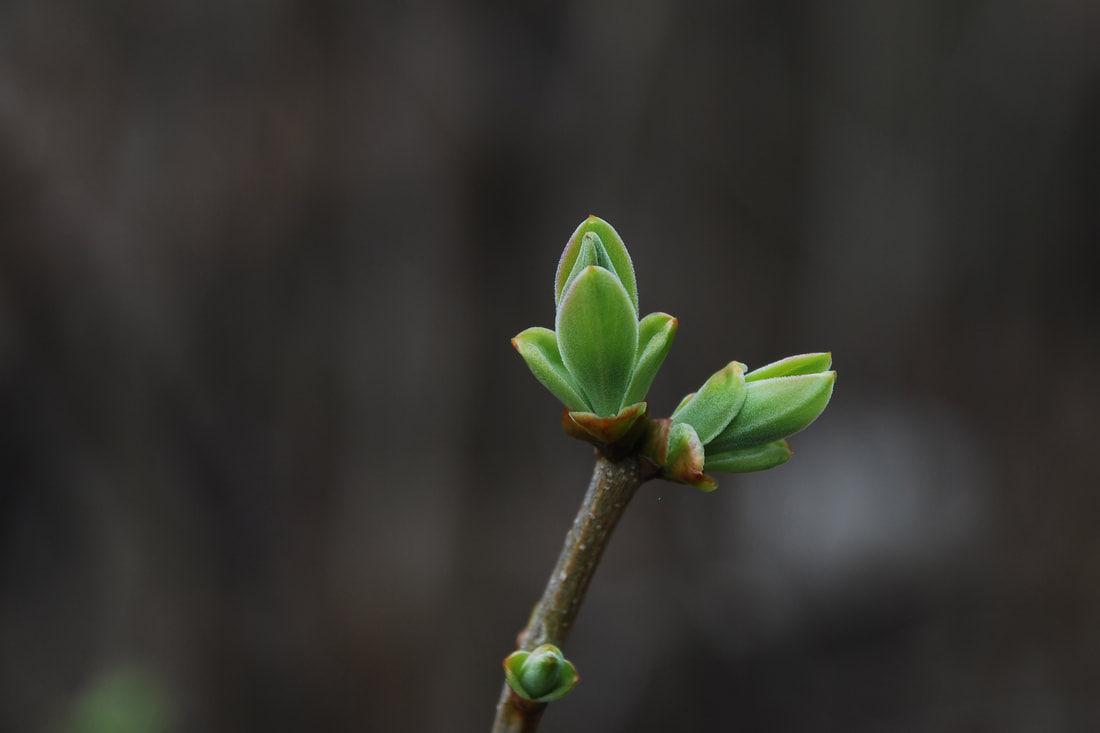
Trees and Shrubs    We are familiar with gathering pussy willows in the spring and watch them bloom.  You can do the same with a number of spring blooming shrubs and trees.  Many ornamental trees and shrubs set their flower buds during the previous growing season and need a period of dormancy of about six weeks.  The buds usually open about 2-3 weeks after being exposed to warmth and moisture.  If you are pruning in later winter, pick a day when the temperature is above freezing to help the branch make the transition to indoor temperatures.   If you force a branch without success, try again a few weeks later.  Forsythias, Witch hazels, cherries, lilacs, Rhododendron, Serviceberries, Birches, Red Maple, and Willows can all be forced.    
0 Comments

Late Summer Notes

8/21/2024

0 Comments

 
Picture
Just some quick notes from this growing season that I've been hearing from fellow gardeners: 
  • Green Beans:  the bush beans are mostly finished and many gardeners have either no pole beans or they are very late blooming like mine.  In fact my are just blooming so by the end of the months I should have pole beans.
  • Zinnias:  are looking good with this nice warm weather they are blooming well. Hope that continues to frost. 
  • Lilacs:  Many gardeners are reporting that their lilacs are dropping leaves. What's going on? A response from the USDA about this provides an excellent analysis of the potential issues.( https://ask2.extension.org/kb/faq.php?id=881100 ) In their response they state: "It could be a blight caused by the bacterium Pseudomonas syringae. Among other things, it is characterized by leaf spots that can lead to leaf darkening, leaf wilting, and premature leaf dropping. Fortunately, this is largely a cosmetic condition and unless it occurs over several seasons, there are no adverse effects. It is associated with wet conditions, which certainly describes our current 2024 season. Because this is NOT a fungal pathogen, application of fungicides will do no good. It can be transmitted from one season to the next via leaf debris. To prevent transmission from one season to the next, thorough fall cleanup is essential. "
0 Comments

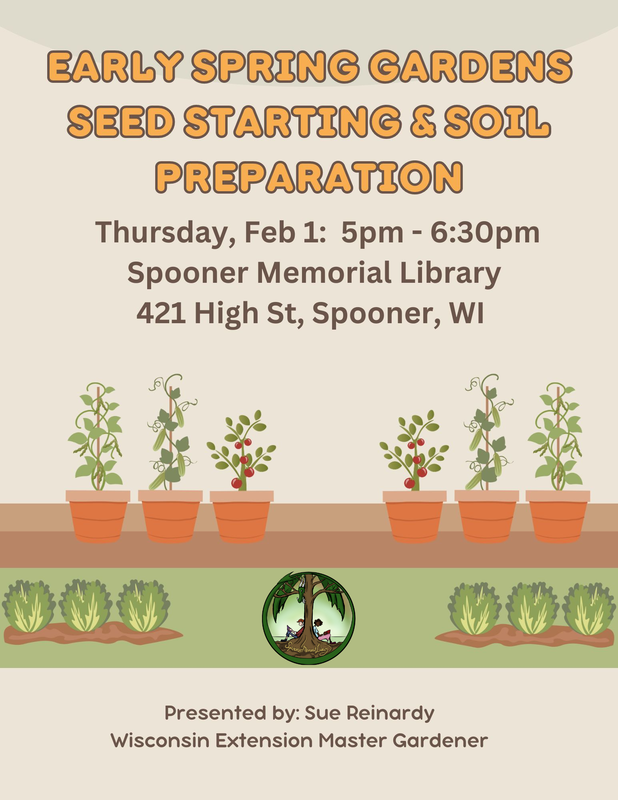
Early Spring Gardens: Seed Starting & Soil Preparation

1/12/2024

0 Comments

 
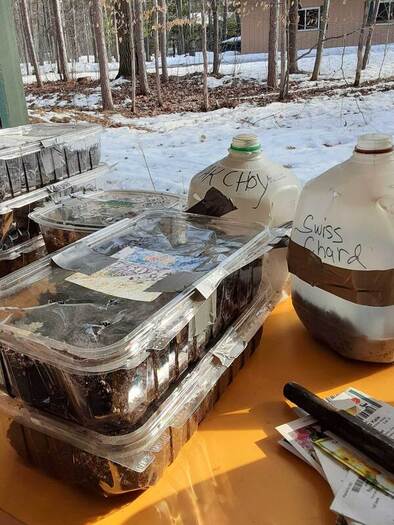
Early spring is the time to check out catalogs, place seed orders and start seeds.  Learn about several seed starting techniques, how to decipher catalog and seed package jargon, and proper planting conditions in this program. 
Picture
0 Comments

Grandma's Bowl

11/6/2022

0 Comments

 
Picture
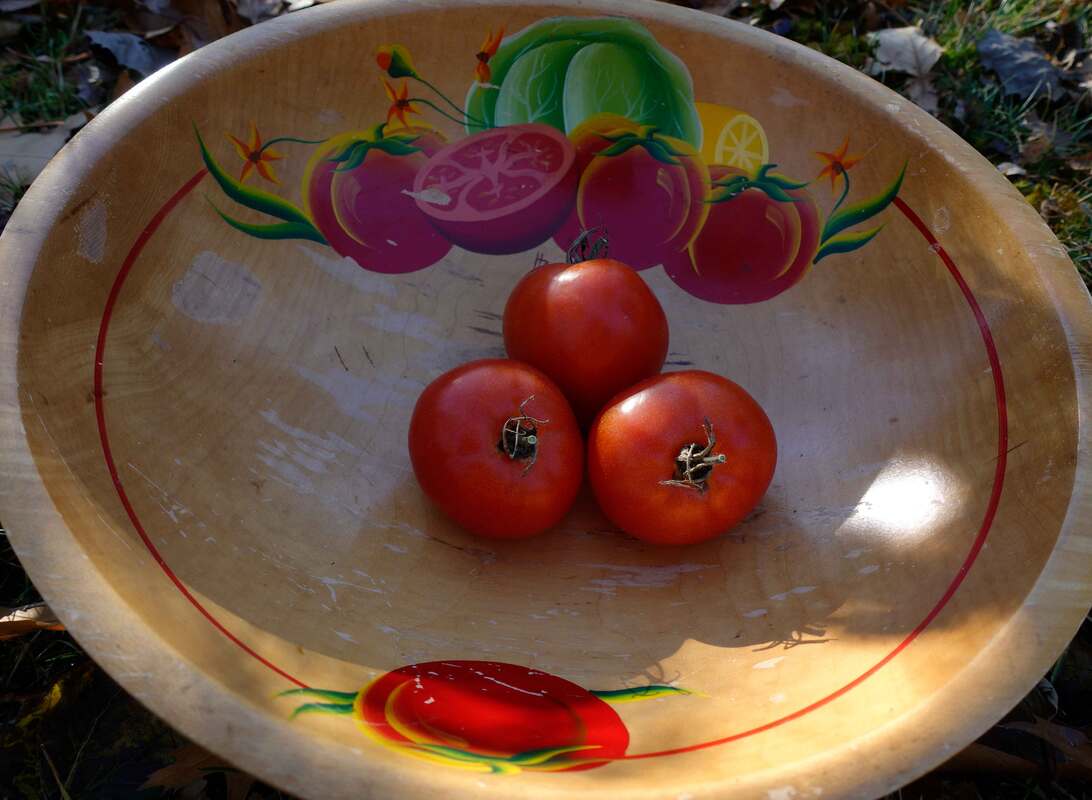
​GRANDMA MINNIE'S BOWL: Every year I bring out a wood bowl for the start of the garden season. Looks homemade with a tomato motif on the inside. It's off kilter and well worn. I love to pile up the seasonal garden treats in it. Now is at the absolute end of the season. I had my last BLT. The garden shed has been turned over and is now the snowmobile garage. So the bowl is officially put away until next season.
0 Comments
<<Previous

    Classes

    ​
    ​Handouts for programs ​are on the ​ "Classes" tab. 
    ***************
    ​Check out my Garden Course catalog if you are interested in  a presentation to your group - Click Here


    Archives

    April 2025
    March 2025
    December 2024
    September 2024
    August 2024
    January 2024
    November 2022
    April 2022
    August 2021
    April 2021
    March 2021
    January 2021
    August 2020
    May 2020
    April 2020
    March 2020
    January 2020
    November 2019
    September 2019
    August 2019
    July 2019
    June 2019
    May 2019
    April 2019
    March 2019
    February 2019
    January 2019
    December 2018
    November 2018
    October 2018
    September 2018
    August 2018
    July 2018
    June 2018
    May 2018
    April 2018
    March 2018
    February 2018
    January 2018
    October 2017
    September 2017
    August 2017
    July 2017
    June 2017
    May 2017

    Categories

    All
    Annuals
    Fall
    Garden Events
    Garden Trends
    Garden Visits
    Low Maintenance
    Miscellaneous
    Monthly Calendar
    Perennial & Biennial
    Spring
    Summer
    Travel
    Trees And Shrubs
    Vegetables
    Winter

    RSS Feed

Powered by Create your own unique website with customizable templates.
  • Blog
  • Classes
  • Picture Gallery
  • Contact